
Tile Kitchen Floor Installation: All You Need to Know
A new tile floor kitchen installation can transform your place. It’s durable, easy to maintain, and adds long-term value to your home. In this guide, you’ll learn about installation, costs, material options, and what to consider before starting your project.
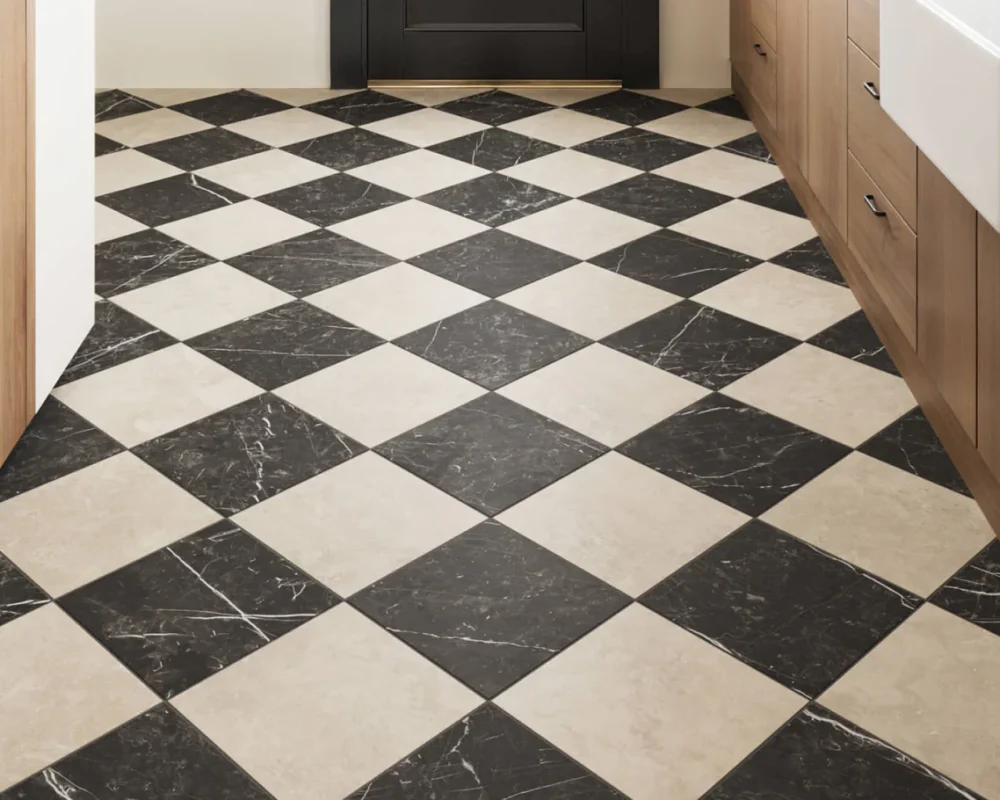
Why Choose a Tile Kitchen Floor?
A new kitchen floor completely changes the look and feel of your home. It creates a cleaner space, handles everyday wear with ease, and adds long-term value to your property. That’s why many homeowners choose tile kitchen floor installation when they plan a renovation rather than replacing the floor with materials that wear out more quickly.
Tile performs well in busy households because it resists moisture, stains, and scratches. It also works with almost every interior design, whether you prefer a modern style, farmhouse kitchen, or something more traditional.
Before starting kitchen floor tile installation, think about how your family uses the space every day. Heavy foot traffic, pets, children and frequent cooking should all influence your choice of material. Porcelain is known for its strength; ceramic offers excellent value; and natural stone creates a luxury appearance, though it requires additional care.
Planning the Installation
Careful planning always leads to better results. When comparing kitchen floor tile installation costs, don’t focus only on the tile price. Preparation, labor, leveling the subfloor, grout and finishing materials all contribute to the total investment. Before choosing a contractor, make sure you understand exactly what is included. A detailed quote should cover:
- Removal of existing flooring;
- Preparation of the surface;
- Waterproofing if needed;
- Tile installation;
- Grouting solutions and finishing;
- Cleanup after completion.
A professional kitchen tile floor installation starts with a level, solid surface. Even the highest quality tile may crack if the base underneath is not properly prepared. Experienced installers inspect the subfloor before they lay the first tile because fixing problems early is less expensive.
When estimating the kitchen tile floor installation cost, layout complexity also matters. Straight patterns are usually faster to install, while diagonal layouts, borders and decorative mosaics require more cuts and labor.
Finding the Right Installer
Many homeowners begin by searching for kitchen floor tile installation near them. That’s a good first step, but don’t hire the first company you find. Look for contractors with recent project photos, verified reviews, insurance and experience with installing the type of tile you want. Personal reviews are always essential, as people usually give their honest opinion on things like that.
The average cost of kitchen tile floor installation often reflects the quality of workmanship as much as the material itself. Paying slightly more for an experienced installer can prevent uneven grout lines, loose tiles, or costly repairs in the future.
If you have read anything about the tips and cost of tile floor installation in the kitchen, you may have noticed that surface preparation is crucial. That is because successful flooring projects depend on much more than the visible tile. Moisture protection, leveling compounds and expansion joints all help to create a floor that lasts a lot.
Factors that Affect Cost
The cost of kitchen floor tile insulation depends on much more than the tile itself. The size of the kitchen, the condition of the subfloor, labor rates, and the complexity of the layout all influence the final price.
Straight patterns are usually quicker to install, while diagonal layouts or decorative borders require more cutting and additional labor. Understanding kitchen floor tiles installation pricing before requesting quotes helps you compare contractors more accurately and avoid unexpected costs during the project.
Choosing Materials
The material you choose affects both the appearance of your kitchen and the floor’s performance over time. Kitchen tile flooring installation is commonly completed with ceramic or porcelain because both materials are durable, easy to clean, and available in many styles. Natural stone creates a more Luxury finish but usually requires more maintenance. When you compare materials, consider:
- Durability and wear resistance;
- Moisture resistance;
- Maintenance requirements;
- Slip resistance;
- Overall installation budget.
If you are planning a ceramic tile kitchen floor installation, you’ll enjoy a practical solution that offers excellent value for money. Choosing premium materials from the start often means fewer repairs in the future. And timeless Design keeps your kitchen modern for years.
Common Mistakes to Avoid
One of the biggest mistakes homeowners make is to choose a contractor based only on price. Another common issue is underestimating kitchen floor tile installation costs. Sometimes these can be pretty high.
Rushing tile flooring projects can also lead to uneven grout lines, poor alignment and loose tiles over time. If you are investing in installation, focus on quality workmanship rather than short-term savings. A professionally installed floor will perform better, last longer and complement bathroom spaces. Especially if you’re completing a larger remodeling modern kitchen tile floor installation project.
Final Thoughts
Understanding the installation cost before you begin your renovation will help you set a realistic budget and compare contractors with confidence. So make sure you choose the best option for both the kitchen and the bath. Also, make sure you choose a person who not only follows kitchen floor tile installation instructions but also understands the process behind each step.
FAQs:
How long does a tile kitchen floor installation take?
Most kitchen tile floor installations take 2–5 days, depending on the size of the kitchen, the condition of the subfloor, the tile pattern, and drying times for adhesives and grout.
What is the best type of tile for a kitchen floor?
Porcelain and ceramic are the most popular choices. Porcelain is highly durable, water-resistant, and ideal for busy kitchens, while ceramic offers excellent value and comes in a wide range of colors and designs.
How much does kitchen tile floor installation cost?
The total cost depends on factors such as the kitchen size, tile material, subfloor preparation, layout complexity, and labor. Requesting a detailed quote is the best way to understand your project’s total investment.
Can new tile be installed over an existing floor?
In some cases, yes. However, the existing floor must be level, stable, and in good condition. A professional installer will inspect the surface to determine whether removal or additional preparation is necessary.
How do I maintain a tile kitchen floor?
Regular sweeping and mopping with a mild cleaner are usually enough. Sealing grout when recommended and cleaning spills promptly will help keep your tile floor looking its best for years.