
What You Need to Know about Freestanding Tub Installation
There was a time when bathtubs were chosen for one reason – they were practical. Today, they’re often the feature that defines the entire room. A freestanding tub instantly changes the atmosphere of a bathroom and creates a space that feels calm, open, and inviting. That’s one of the biggest reasons homeowners invest in freestanding tub installation when they plan a renovation.
Unlike built-in tubs, a freestanding model isn’t hidden behind walls or panels. It is then a part of the whole look. It can be a clean, modern, or classic clawfoot tub. The variety of models is huge.
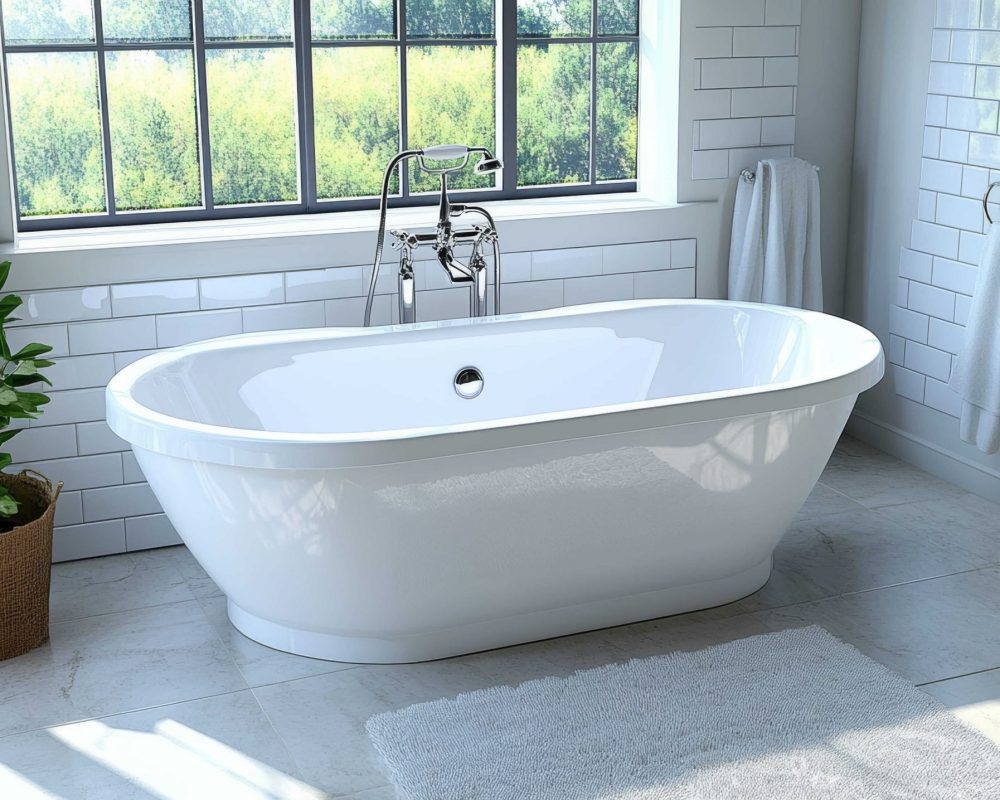
Is a Freestanding Tub Right for Your Home?
Before you choose a bathtub, consider how you will use the bathroom. If you enjoy long, relaxing soaks after work, a freestanding hub will change the experience. On the other hand, if the tub will be used mainly by children or for quick baths, the built-in option may be more practical.
Space is another important consideration. Freestanding tubs look their best if there is some room around them. Even a compact model needs enough clearance to create the open feeling that makes these tubs so appealing. There are homeowners who go for a freestanding tub as it offers:
- a striking focal point;
- flexible placement options;
- easy access for cleaning;
- a timeless appearance;
- a higher perceived home value.
Good design is about more than the appearance. There should also be an improvement in how the room works.
Planning Before Installation
Successful projects always begin with planning, which is normal. So make sure you plan it from the start. Before installation, it is good to make a checklist:
- Measure the available space carefully;
- Make sure that a filled bath can be placed on the floor;
- Decide where the faucet will be installed;
- Leave enough room for cleaning around;
- Confirm access to plumbing connections.
Plumbing, drainage, water supply, floor strength, and the exact position of the tub should all be considered before the work begins. Moving plumbing later is usually much more expensive
What Does Installation Cost?
One of the things homeowners wonder about is the freestanding tub installation cost. If the plumbing is already in the correct position, installation is usually straightforward.
However, moving water lines can increase the labor. Floor reinforcement, custom flooring, or replacing existing fixtures may also add to the final budget. When you compare estimates, ask contractors if the quote includes:
- Plumbing connections;
- Waste and overflow installation;
- Faucet installation;
- Waterproof sealing;
- Final testing and cleanup.
The material of the tub matters too. Acrylic tubs are lightweight and easy to place. Cast-iron and natural-stone models require more work because they are heavy. If you go for premium workmanship, you will lower the risk of expensive repairs.
Choosing the Right Tub
The perfect bathtub isn’t the largest or the most expensive one. Consider how the tub will fit into your lifestyle. Deep soaking tubs provide excellent comfort but need more water. Compact models work well in smaller spaces.
Material also makes a difference. Acrylic is light and affordable, and it also retains heat well. Stone resin offers a luxury appearance while remaining easier to maintain than natural stone. Cast iron is extremely durable but heavier.
Color should also complement the rest of the room. White remains the most popular choice, but matte black, soft grey, and warm neutral tones have become very common in modern homes.
Common Installation Mistakes
Problems can happen before the tub is even placed in the room. Poor planning, inaccurate measurements, and ignoring locations often lead to delays. Another common mistake is to forget about delivery access. Some larger tubs simply will not fit through narrow hallways. Reliable solutions usually begin with good preparation, which helps prevent expensive repairs.
Why Professional Installation Matters
Although some homeowners consider DIY installation, professional freestanding bathtub installation usually gives better long-term results. Experienced installers know how to do it. They level the tub correctly, connect plumbing securely, and see potential issues. Professional installation also protects warranties, which often require that plumbing work be completed in accordance with building regulations.
So, if you are planning a larger remodeling project, installing the tub at the right stage is efficient. Many homeowners also coordinate new flooring, lighting, and storage at the same time. This is how they create a better-looking and cohesive bathroom.
Final Thoughts
A freestanding bathtub is more than just another fixture. It’s a feature that changes the way the room feels every day. With thoughtful planning, quality materials, and skilled installation, you’ll enjoy a comfortable space that combines style with practicality. So, to invest in the right bath from the beginning will help.
FAQs:
How long does freestanding tub installation take?
The installation time depends on the condition of your bathroom and whether plumbing needs to be moved. If the water supply and drainage are already in the correct locations, installation can often be completed quickly. More complex projects involving plumbing changes, flooring work, or structural adjustments may take longer.
Can a freestanding tub be installed in any bathroom?
A freestanding tub can be installed in many bathrooms, but the space must be carefully evaluated. The room should have enough clearance around the tub, proper floor strength, and accessible plumbing connections. Smaller bathrooms may require a compact freestanding model to maintain comfort and movement.
How much does freestanding tub installation cost?
The cost varies depending on the tub type, plumbing requirements, labor, and any additional work needed. Expenses may increase if water lines need to be relocated, flooring requires modification, or a heavy tub material such as cast iron or stone is selected.
Do freestanding tubs require special plumbing?
Yes. Freestanding tubs often require specific plumbing arrangements, including properly positioned water supply lines, a suitable drain connection, and sometimes a floor-mounted or wall-mounted faucet. Planning the plumbing before installation helps avoid costly changes later.
What type of freestanding tub material is best?
The best material depends on your priorities. Acrylic tubs are lightweight, affordable, and retain heat well. Stone resin offers a luxury appearance with easier maintenance, while cast iron provides exceptional durability but requires additional support because of its weight.